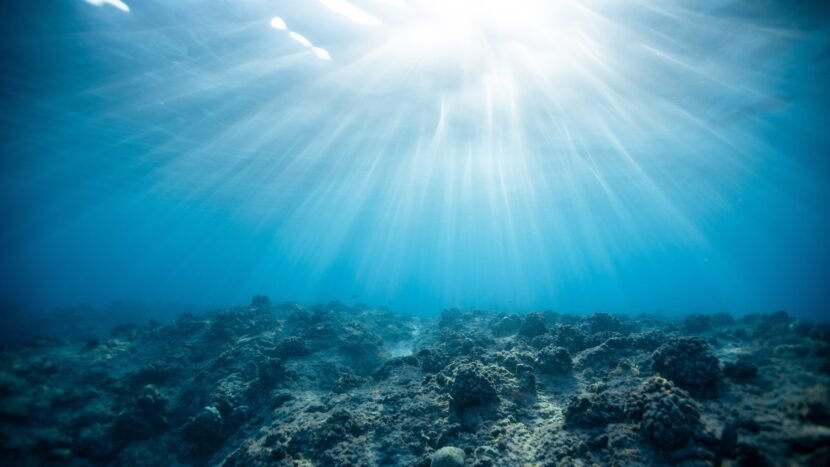
The vast expanse of the ocean has long captivated perfumers, inspiring them to bottle its ethereal essence in the form of marine notes. These aquatic accords, first revolutionized in the 1990s with Davidoff’s Cool Water, represent more than just the smell of seawater, they encompass the complex aromatic profile of coastal air, seaweed, driftwood, and the mineral-rich spray that rises from crashing waves.
Modern perfumery has evolved to capture these oceanic elements through a sophisticated blend of natural and synthetic molecules. While the ocean itself doesn’t have a distinct smell, the marine atmosphere is created through the interaction of various compounds produced by algae, salt-laden air, and the decomposition of organic matter along shorelines. Perfumers have mastered the art of recreating these elements, making marine notes an integral part of contemporary Fragrance Families.
The Science Behind Marine Notes
The cornerstone of marine accords in perfumery is Calone, a synthetic molecule discovered in 1966. This revolutionary compound replicates the fresh, ozonic scent of ocean air with remarkable accuracy. Alongside Calone, perfumers employ additional molecules like Helional and Floralozone to create a more comprehensive marine profile. These ingredients work in harmony to evoke memories of sun-warmed skin, salty breezes, and weathered driftwood.
Marine notes often incorporate natural elements that enhance their authenticity. Seaweed absolute, ambergris, and certain types of algae extracts contribute depth and complexity to aquatic compositions. These materials add a subtle mineral quality and provide the characteristic saltiness associated with oceanic scents. When combined with White Floral Notes, they create an ethereal reminder of tropical beaches where fragrant flowers meet the sea.
Evolution and Modern Interpretations

Contemporary perfumery has moved beyond simple aquatic representations to create sophisticated marine compositions. Today’s marine fragrances might include unexpected elements like volcanic minerals, arctic ice accords, or deep-sea thermal vent interpretations. These innovative approaches have expanded the definition of marine scents, allowing perfumers to explore underwater landscapes previously thought impossible to capture.
The versatility of marine notes has led to their incorporation in various fragrance styles. From fresh citrus compositions to woody aromatics, these aquatic elements add dimension and intrigue. Modern perfumers often layer marine notes with unexpected ingredients like saffron, vanilla, or leather, creating complex narratives that tell stories of distant shores and oceanic adventures.
Conclusion
Marine notes represent a remarkable achievement in perfumery, demonstrating how artistry and chemistry combine to capture nature’s most elusive scents. These compositions continue to evolve, pushing the boundaries of what’s possible in fragrance creation. As our understanding of marine ecosystems deepens and new molecules are developed, perfumers gain additional tools to express oceanic inspiration in increasingly sophisticated ways. The enduring popularity of marine notes speaks to humanity’s eternal fascination with the sea and our desire to carry its refreshing essence with us wherever we go.
HOW TO MAKE A PERFUME
Our guide to Create Your Own Perfume provides detailed insights on purchasing the finest perfumery materials and equipment. It also outlines the essential steps to begin crafting your own unique scent. So if you’ve got some extra time, let’s dive into the world of fragrance creation and discover how your personal expression can come alive through scent.