The art of blending essential oils has been practiced for centuries, offering a natural way to enhance well-being and create personalized fragrances. Therapeutic oil blends can help alleviate stress, boost energy, and promote relaxation. By learning to create these blends at home, you can tailor them to your specific needs and preferences, ensuring a more effective and enjoyable aromatherapy experience.
Creating your own therapeutic oil blends allows you to harness the power of nature’s most potent essences. Each essential oil carries unique properties that can be combined to achieve specific therapeutic effects. Whether you’re looking to improve sleep quality, reduce anxiety, or simply create a pleasant atmosphere in your home, custom oil blends offer a versatile solution.
In this guide, we’ll walk you through the process of creating therapeutic oil blends at home. We’ll cover the essential tools and ingredients you’ll need, explain the principles of blending, and provide tips for crafting effective combinations. By the end, you’ll have the knowledge and confidence to start experimenting with your own therapeutic blends.
Understanding Essential Oils
Before diving into the blending process, it’s crucial to have a solid understanding of essential oils and their properties. Essential oils are highly concentrated plant extracts that capture the natural scent and flavor, or “essence,” of their source. These oils are obtained through various methods, with steam distillation being the most common.
Each essential oil has its own unique chemical composition, which contributes to its specific aroma and therapeutic properties. For example, lavender is known for its calming effects, while peppermint can be invigorating and help with focus. When creating blends, it’s important to consider both the aromatic profile and the therapeutic benefits of each oil.
Tools and Ingredients
Here are the tools and ingredients you might need to create therapeutic oil blends at home:
Tools:
- Dark glass bottles with droppers (for storage)
- Small glass bowls or beakers (for mixing)
- Measuring spoons or pipettes
- Labels or markers for identification
- Notebook or journal (to record your blends and observations)
Ingredients:
- Variety of essential oils (e.g., lavender, eucalyptus, tea tree)
- Carrier oils (e.g., jojoba, sweet almond, coconut)
- Alcohol (optional, for perfume-making or sprays)
- Distilled water (optional, for diluting blends for sprays)
Step By Step Guide How to Create Therapeutic Oil Blends at Home

Step 1: Set Up Your Workspace
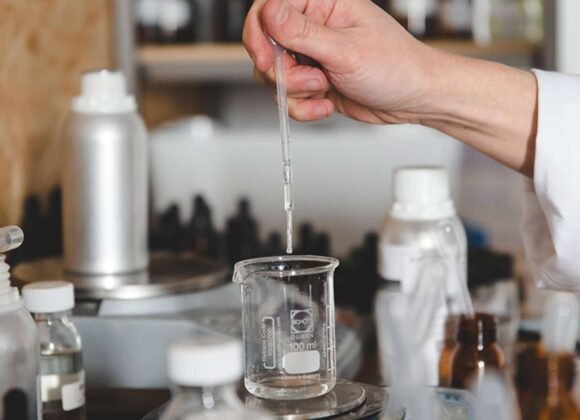
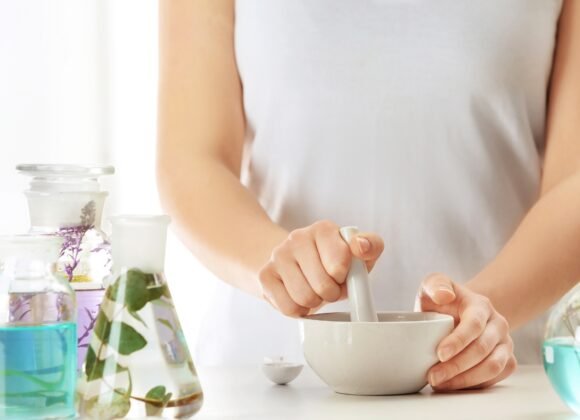
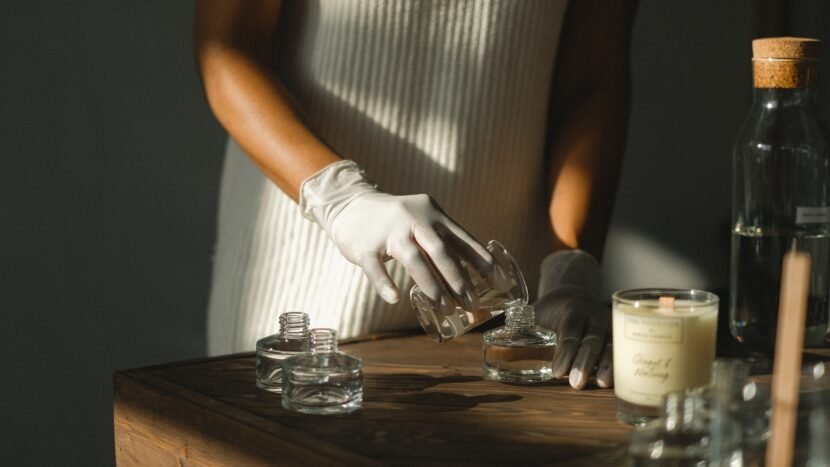
Before you begin crafting your therapeutic oil blends, it’s essential to set up a clean, organized, and comfortable workspace. Make sure your surface is sterile to avoid contamination and arrange all the equipment and ingredients you’ll need. Glass bowls or beakers are the best tools for mixing due to their resistance to chemical reactions. Have your measuring spoons or pipettes on hand for precise measurements, and ensure labels are ready for marking your creations. Keeping a notebook close by to record your observations and recipes will help you replicate successful blends in the future. A well-prepared environment will set the stage for seamless and enjoyable blending.
Step 2: Choose Your Essential Oils
Selecting the right essential oils for your blend is a crucial step in creating therapeutic oils that can target your specific needs. Each essential oil has unique benefits, it’s important to research its properties before starting. For instance, lavender oil is well-known for its calming effects, eucalyptus is great for respiratory relief, and tea tree oil offers antiseptic properties. Consider blending oils that complement each other in terms of aroma and therapeutic purpose. Start simple, using 2–3 essential oils per blend, so you can identify what works well together without overwhelming the senses.
Step 3: Measure and Mix
Once you’ve chosen your essential oils, it’s time to measure and mix them. Precision is key here, so use a pipette or measuring spoons to ensure accurate ratios. A common guideline for creating beginner-friendly blends is a total of 15–20 drops of essential oil per 1 ounce (30 ml) of carrier oil. Start by adding each essential oil drop by drop into your mixing bowl, noting the quantity in your journal. If applicable, introduce additional ingredients, such as alcohol or distilled water, for sprays or perfumes. Stir the mixture gently but thoroughly to ensure uniformity.
Step 4: Dilute with a Carrier Oil
When making therapeutic oil blends, dilution is essential to prevent skin irritation or adverse reactions. Carrier oils serve as a base for your blend, ensuring the essential oils are gentle enough for topical use. Popular carrier oils include jojoba, sweet almond, and coconut oil due to their nourishing properties and neutral scents. Carefully measure the amount of carrier oil based on the desired dilution ratio. For most uses, a 2% dilution (about 12 drops of essential oil per ounce of carrier oil) is recommended. Mix your chosen carrier oil slowly into your essential oil blend, ensuring everything is combined well.
Step 5: Store and Label Your Blend
The final step in the process is storing your therapeutic oil blend properly to preserve its quality and potency. Use dark glass bottles, as they protect the oil from sunlight that can degrade its effectiveness. Label each bottle with clear information, including the blend’s name, the date created, and the ingredients used. This will make it easier to track your creations and identify them in the future. Keep your blends in a cool, dry place to extend their shelf life. If you opt to include alcohol in sprays, this ingredient can further assist in preservation. With careful storage, you’ll ensure that your hard work remains effective and ready for use when needed.
Conclusion – The Bottom Line!
Creating therapeutic oil blends at home is a fascinating journey into the world of aromatherapy and natural healing. By understanding the properties of essential oils and following proper blending techniques, you can craft personalized blends that cater to your specific needs and preferences. Remember that blending is both an art and a science – while there are guidelines to follow, don’t be afraid to experiment and trust your nose.
As you continue to explore and refine your blending skills, you’ll develop a deeper appreciation for the complexities of essential oils and their potential to enhance your well-being. Whether you’re seeking relaxation, energy, or relief from specific ailments, the power to create effective therapeutic blends is now in your hands. Enjoy the process of discovery and the benefits that come with incorporating these natural aromatherapy solutions into your daily life.
HOW TO MAKE A PERFUME
Our guide to Create Your Own Perfume provides detailed insights on purchasing the finest perfumery materials and equipment. It also outlines the essential steps to begin crafting your own unique scent. So if you’ve got some extra time, let’s dive into the world of fragrance creation and discover how your personal expression can come alive through scent.