The safety of fragrance oils has become an increasingly important topic as consumers grow more conscious about the ingredients they expose themselves to daily. From personal care products to home fragrances, these aromatic compounds play a significant role in our lives, making their safety profile a crucial consideration for both manufacturers and consumers.
The fragrance industry operates under strict regulations and guidelines established by organizations like the International Fragrance Association (IFRA) and the Research Institute for Fragrance Materials (RIFM). These bodies continuously evaluate fragrance ingredients for potential health risks and establish usage limits to ensure consumer safety, though questions about long-term effects persist in some cases.
Understanding fragrance oil safety requires examining both synthetic and natural ingredients, as ARE 100% NATURAL FRAGRANCES PROPER PERFUME? remains a common question among consumers. While natural doesn’t always mean safer, the careful evaluation of both types of ingredients helps ensure the development of safe, enjoyable fragrances for various applications.
Understanding Fragrance Oils
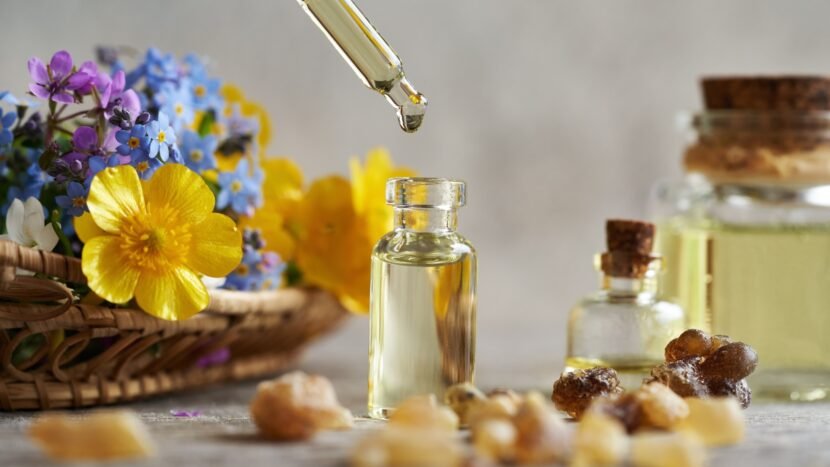
Fragrance oils are complex mixtures of natural and synthetic aromatic compounds designed to create specific scent profiles. These oils can contain anywhere from dozens to hundreds of individual ingredients, each carefully selected and tested for safety and stability. When exploring PERFUMERY MATERIALS FOR BEGINNERS, understanding the composition of these oils becomes essential for safe usage.
The regulatory framework governing fragrance oils ensures that each ingredient undergoes rigorous testing before approval for consumer use. The Cosmetic Ingredient Review (CIR) expert panel, along with other regulatory bodies worldwide, regularly evaluates scientific data to assess the safety of fragrance ingredients.
Safety Studies and Research
Extensive research has been conducted on fragrance oil safety, with studies focusing on various aspects including skin sensitization, respiratory effects, and environmental impact. The RIFM database contains safety assessments for thousands of fragrance materials, with new studies continuously being added as technology and testing methods advance.
Clinical studies have shown that while some individuals may be sensitive to certain fragrance ingredients, the majority of properly formulated fragrance oils are safe for general use when applied according to recommended guidelines. However, concentration levels and exposure routes play crucial roles in determining safety profiles.
Natural vs. Synthetic Ingredients

Natural fragrance ingredients, derived from plant sources, can cause allergic reactions just as synthetic ones can. Essential oils, often perceived as safer alternatives, contain powerful natural compounds that require careful dilution and handling. Some natural ingredients actually pose more significant risks than their synthetic counterparts due to their complex chemical compositions.
Synthetic fragrance ingredients often undergo more stringent safety testing than natural ones, as their exact chemical composition is known and can be carefully controlled. Modern synthetic ingredients can also be designed to minimize allergenic properties while maintaining desired scent characteristics.
Safety Guidelines and Best Practices
The fragrance industry follows strict safety guidelines for both product development and consumer use. Manufacturers must adhere to concentration limits established by IFRA, which are regularly updated based on new safety data. These guidelines consider different product types and their intended uses, from skin contact to environmental exposure.
Quality control measures throughout the manufacturing process ensure that fragrance oils meet safety standards. This includes testing for contaminants, verifying ingredient purity, and maintaining proper documentation of safety assessments.
Conclusion – Final Verdict!
The safety of fragrance oils depends on proper formulation, testing, and usage according to established guidelines. While both natural and synthetic ingredients can pose risks if misused, the extensive regulatory framework and ongoing safety research in the fragrance industry help ensure consumer protection.
Understanding individual sensitivity levels and following usage recommendations allows for the safe enjoyment of fragranced products. The continuous evolution of safety standards and testing methods contributes to the development of increasingly safe and enjoyable fragrance formulations.
HOW TO MAKE A PERFUME
Our guide to Create Your Own Perfume provides detailed insights on purchasing the finest perfumery materials and equipment. It also outlines the essential steps to begin crafting your own unique scent. So if you’ve got some extra time, let’s dive into the world of fragrance creation and discover how your personal expression can come alive through scent.