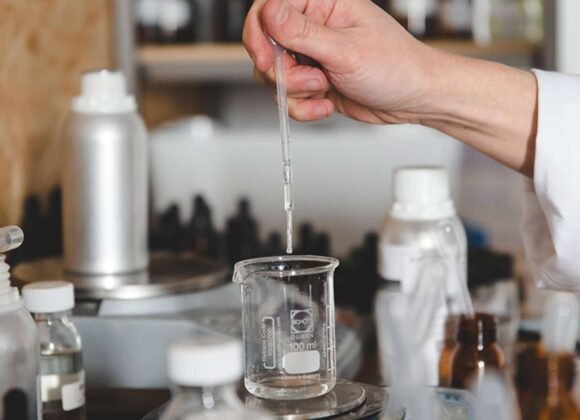
The world of perfumes presents a vast spectrum of prices, ranging from affordable drugstore fragrances to ultra-luxury scents that can cost thousands of dollars. The pricing structure of perfumes reflects not just the quality of ingredients, but also the complex process of HOW IS PERFUME MADE and the artistry behind each creation.
Understanding perfume costs requires delving into multiple factors, including the concentration of fragrance oils, the rarity of ingredients, packaging design, and brand positioning. The expertise required in CREATING FEELGOOD FRAGRANCES significantly influences the final price point of these aromatic creations.
When examining perfume costs, it’s important to note that price doesn’t always directly correlate with quality. While some expensive perfumes justify their cost through rare ingredients and complex formulations, others might carry premium pricing primarily due to marketing and brand prestige.
Entry-Level Perfumes ($10-$30)
Mass-market fragrances in this price range typically contain synthetic ingredients and simpler formulations. These perfumes often focus on popular scent profiles and use less concentrated forms like body sprays or eau de toilette. While they may not offer the complexity or longevity of higher-priced options, they serve as accessible introductions to the world of fragrances.
Mid-Range Perfumes ($30-$100)
This category represents the sweet spot for many consumers, offering a balance between quality and affordability. These fragrances often incorporate some natural ingredients alongside synthetic ones and may feature more sophisticated compositions. Designer brands frequently position their starter fragrances in this range, providing consumers with recognizable names without the luxury price tag.
Premium Perfumes ($100-$300)

Premium perfumes typically contain higher concentrations of fragrance oils and better-quality ingredients. These scents often feature more complex compositions with carefully selected natural elements. The packaging becomes more elaborate at this price point, with higher-quality bottles and presentation boxes contributing to the overall cost.
Luxury Perfumes ($300-$1000)
Luxury perfumes justify their higher prices through the use of rare natural ingredients, sophisticated formulation processes, and exclusive packaging. These fragrances often feature unique scent profiles created by master perfumers and may be produced in limited quantities. The concentration of precious ingredients like natural oud, jasmine absolute, or iris butter significantly impacts the price.
Ultra-Luxury Perfumes ($1000+)
The ultra-luxury segment represents the pinnacle of perfumery, where prices can reach astronomical levels. These fragrances might feature extremely rare ingredients, custom-designed bottles, or be part of limited editions. Some may contain ingredients that require extensive processing or rare harvests, such as certain types of oud that can cost more than gold by weight.
Factors Influencing Perfume Costs
Brand prestige plays a significant role in pricing, with established luxury houses commanding premium prices based on their reputation and heritage. Marketing and advertising costs are substantial in the perfume industry and are factored into the final retail price.
The concentration of fragrance oils directly affects cost, with pure parfum being the most expensive, followed by eau de parfum, eau de toilette, and eau de cologne. Higher concentrations require more precious ingredients and offer longer-lasting scents.
Packaging costs can constitute a significant portion of the final price, especially for luxury brands. Crystal bottles, precious metal accents, and handcrafted containers add considerable expense to the product.
Distribution channels also impact pricing, with exclusive retail arrangements and limited availability often correlating with higher prices. Direct-to-consumer brands might offer lower prices by eliminating retail markups.
Conclusion – A Few Final Words!
The cost of perfume varies dramatically based on numerous factors, from ingredient quality to brand positioning. While entry-level fragrances provide accessible options for everyday wear, luxury perfumes offer unique experiences through rare ingredients and masterful compositions. Understanding these price variations helps consumers make informed decisions based on their preferences and budget.
The perfume market continues to evolve, with new brands challenging traditional pricing models and offering innovative approaches to fragrance creation. Whether investing in a signature scent or exploring different options, consumers can find quality fragrances across various price points that suit their needs and preferences.
HOW TO MAKE A PERFUME
Our guide to Create Your Own Perfume provides detailed insights on purchasing the finest perfumery materials and equipment. It also outlines the essential steps to begin crafting your own unique scent. So if you’ve got some extra time, let’s dive into the world of fragrance creation and discover how your personal expression can come alive through scent.